
A Rajasthani bride's jewellery is recognised for its grandeur, intricate craftsmanship and connection with generations of regional tradition. From the statement-making Rajasthani Aad necklace to detailed Kundan necklaces and iconic Borla jewellery, every element can contribute to a bridal look that feels distinctly rooted in Rajasthan.
For families searching for Rajasthani jewellery for bride, choosing the right pieces involves more than selecting jewellery that looks elaborate. The design should complement the bridal outfit, reflect the family's traditions and create a balanced look that the bride can remember for years.
Styles such as traditional Rajasthani jewellery, Kundan, Polki and heritage-inspired gold jewellery continue to influence modern wedding dressing. Brides can choose a complete traditional look or combine selected elements with contemporary styling.
This guide explains some of the most important jewellery styles to consider when creating a Rajasthani or Rajputi-inspired bridal look.
What Is Rajasthani Jewellery for a Bride?
Rajasthani jewellery for bride refers to bridal ornaments inspired by the traditional jewellery styles, techniques and cultural aesthetics associated with Rajasthan.
These bridal looks commonly focus on statement neckpieces, forehead jewellery, earrings, bangles and rings. Kundan and Meenakari are especially associated with Rajasthan's jewellery craftsmanship, while Polki, antique gold styling and pearl detailing are also frequently seen in heritage-inspired wedding jewellery.
A bridal combination may include:
- Rajasthani Aad necklace
- Kundan bridal jewellery
- Polki necklaces
- Traditional long Haar
- Bridal chokers
- Borla jewellery
- Bridal earrings
- Bangles
- Rings
- Other complementary heritage-inspired jewellery
The exact combination can differ according to community traditions, family customs, bridal attire and personal preference.
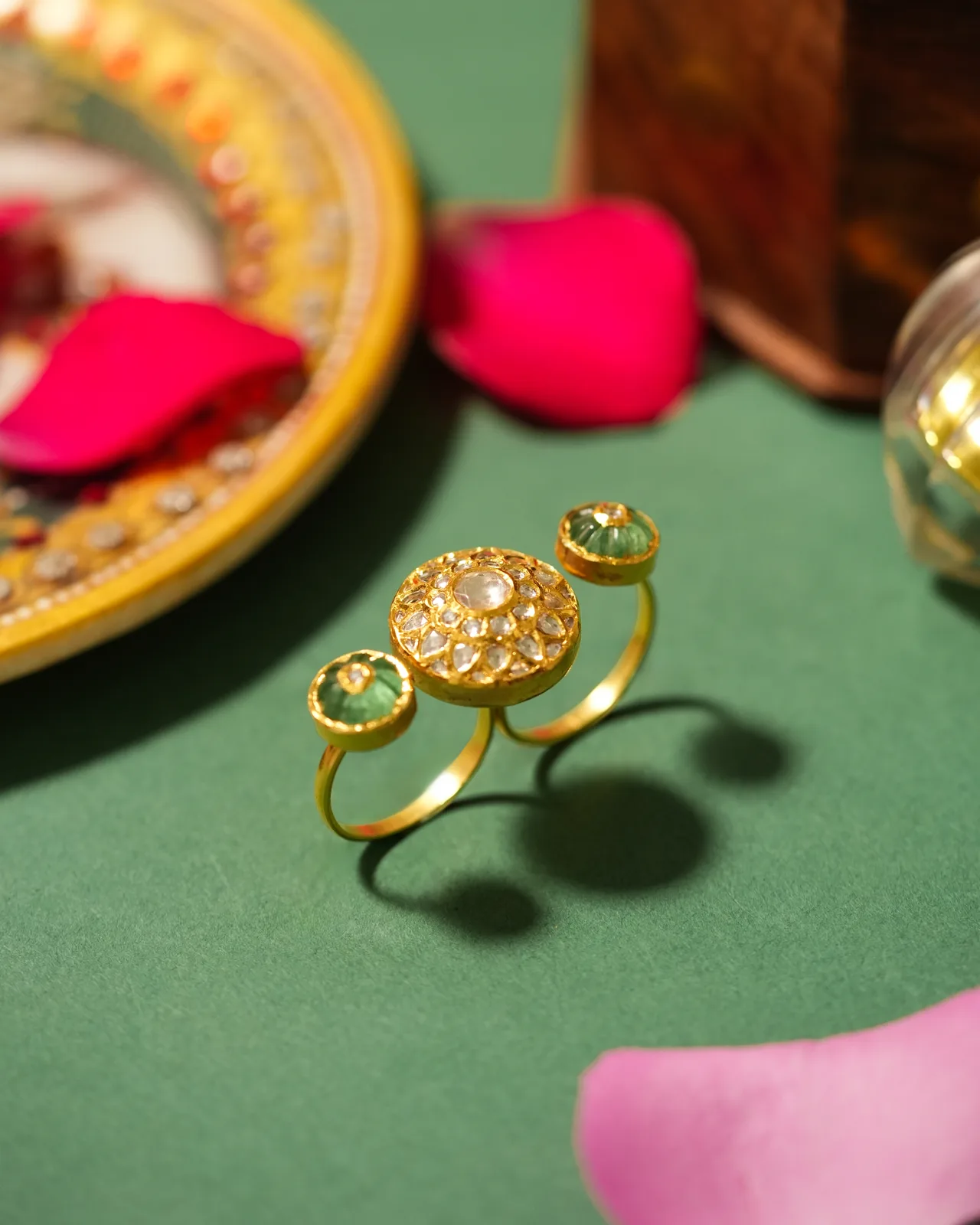
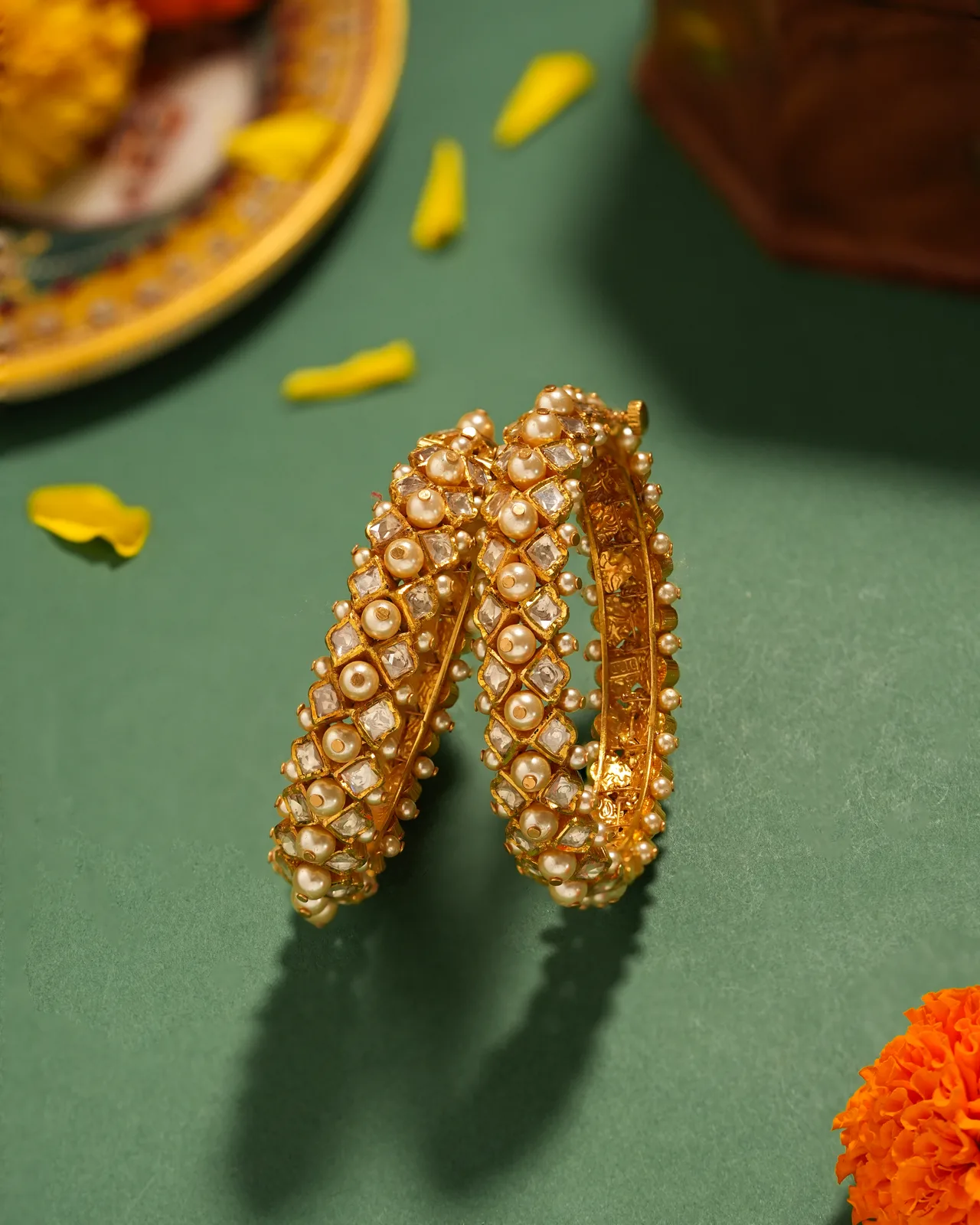
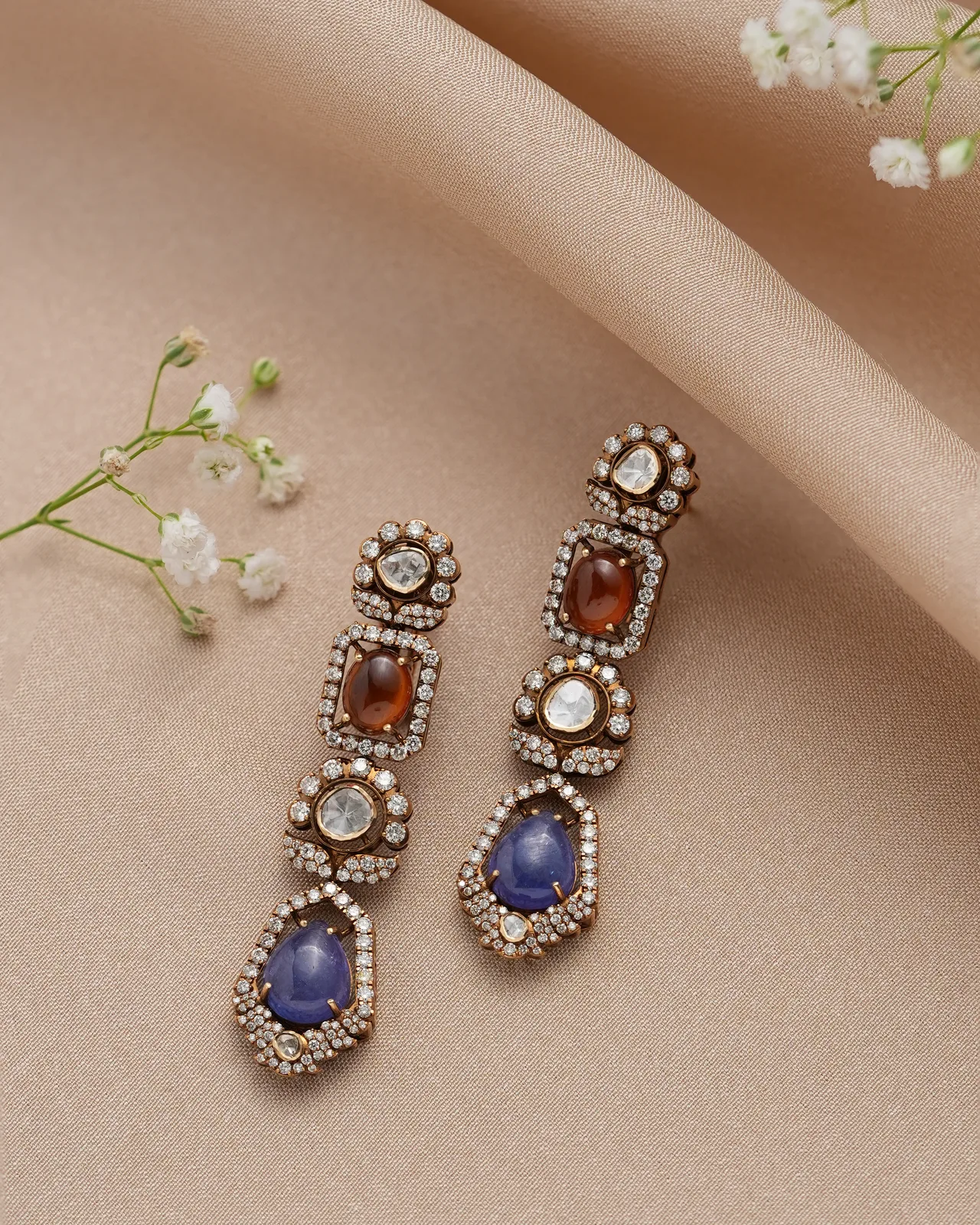
1. Rajasthani Aad Necklace: The Centrepiece of the Bridal Look
The Rajasthani Aad necklace is one of the most distinctive neckpieces associated with Rajasthan.
An Aad typically features a broad and structured form that sits close to the neck. Its proportions give it a strong visual presence, making it particularly suitable for elaborate bridal outfits.
For many brides seeking traditional styling, the Aad can become the main jewellery piece around which the rest of the wedding look is planned.
Rajasthani Aad designs may incorporate Kundan work, Polki, pearls, Meenakari-inspired details and traditional gold craftsmanship.
A bride wearing an Aad may choose to keep other jewellery relatively balanced or layer it with a longer necklace for a grander wedding appearance.
Pure Gold Jewellers offers a dedicated collection of Rajasthani Aad and Rajputi Aad jewellery, including designs created for weddings and significant family celebrations.
2. Kundan Bridal Jewellery
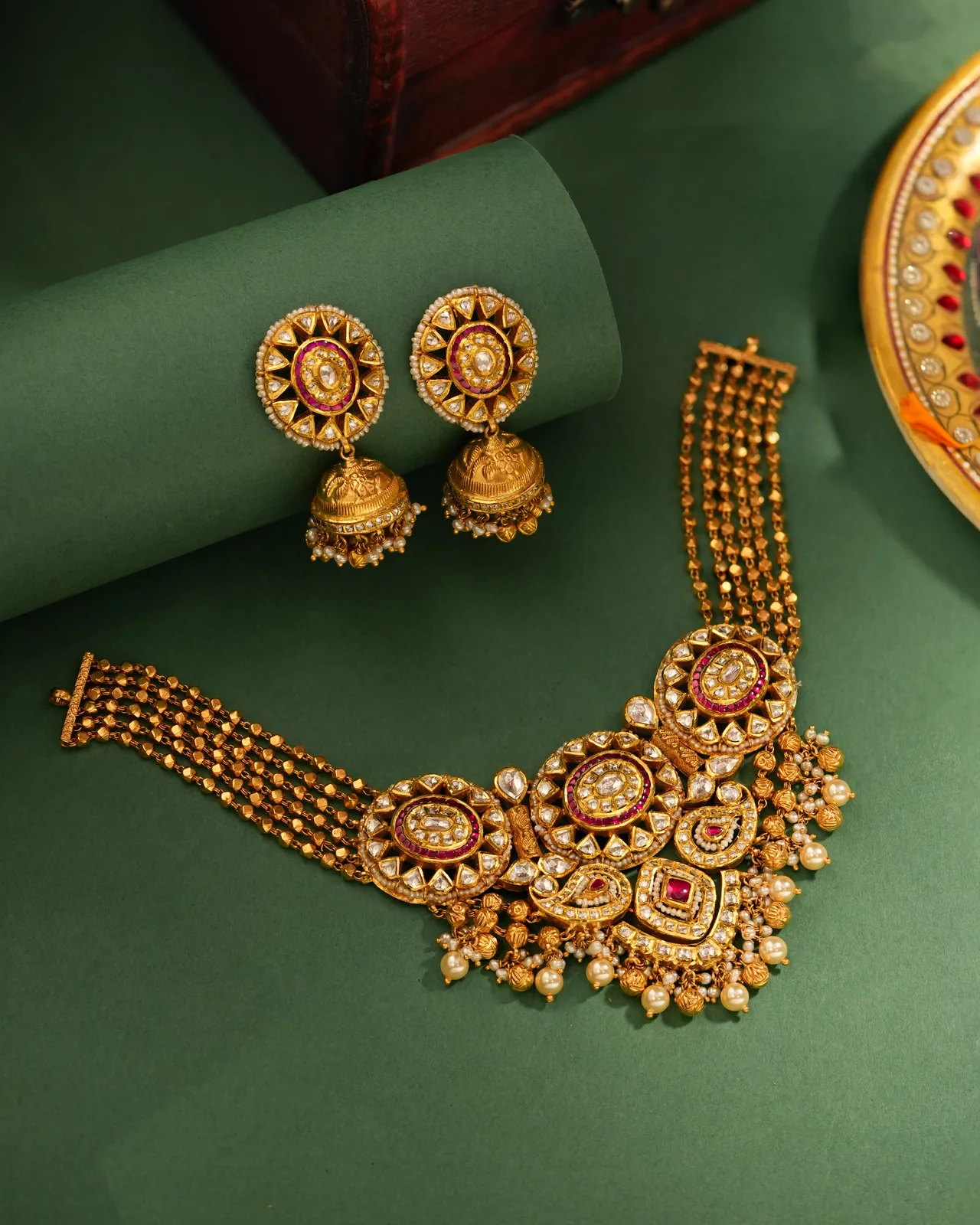
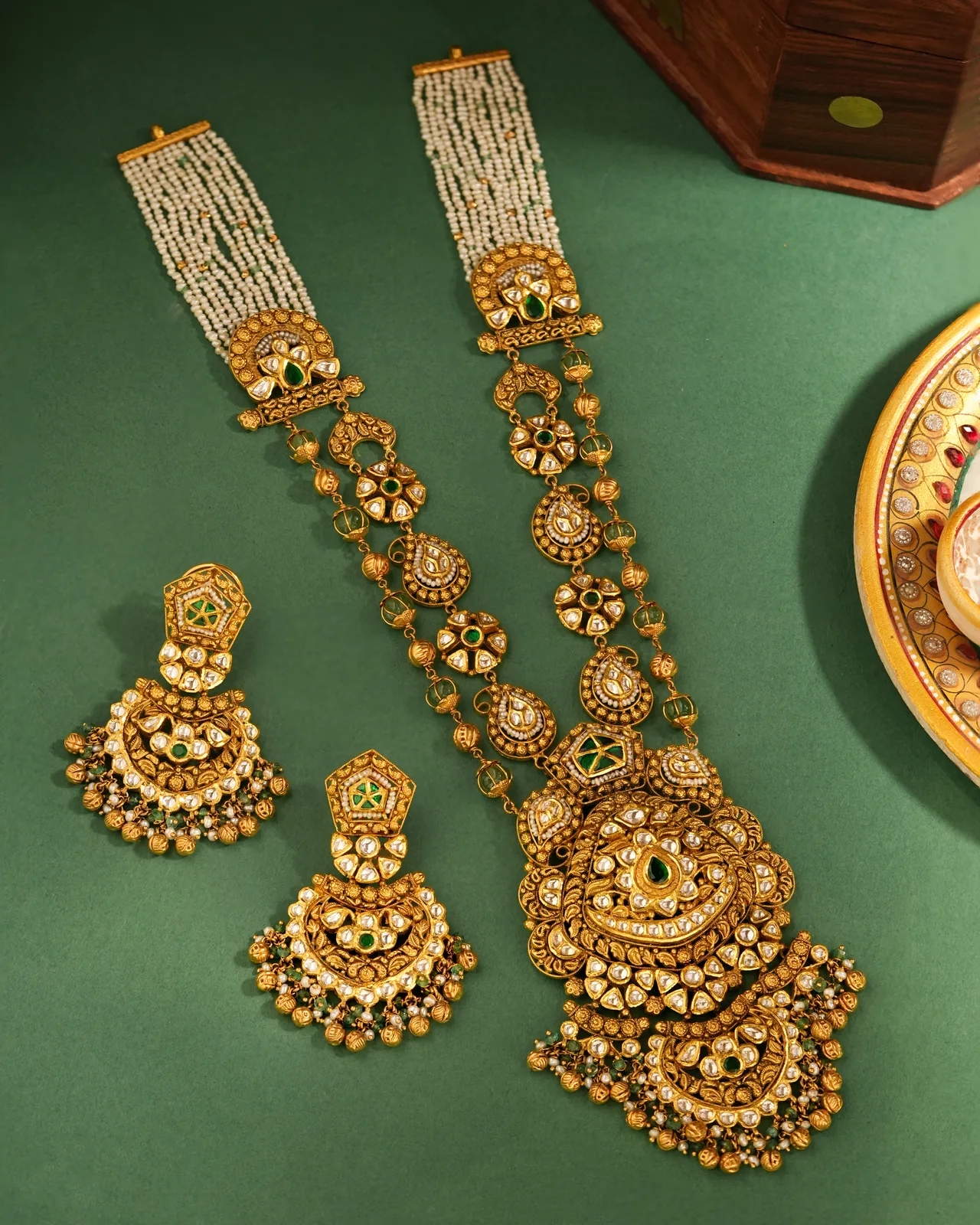
Kundan bridal jewellery is one of the strongest choices for a bride looking for a traditional and regal appearance.
Kundan craftsmanship is known for carefully setting stones within refined metal settings, creating intricate designs that work particularly well for necklaces, earrings and other statement jewellery.
Rajasthan, especially Jaipur, has a strong association with Kundan and Meenakari jewellery traditions.
For a bride, Kundan jewellery can be styled as a broad necklace, choker or longer bridal set. It can also work beautifully alongside traditional Rajasthani Aad designs when the jewellery pieces share similar colours and detailing.
A heavily embroidered lehenga or Rajputi poshak can be complemented with rich Kundan jewellery, while more balanced designs may work with comparatively understated wedding attire.
The best Kundan bridal jewellery should enhance the bride's outfit instead of competing with it.
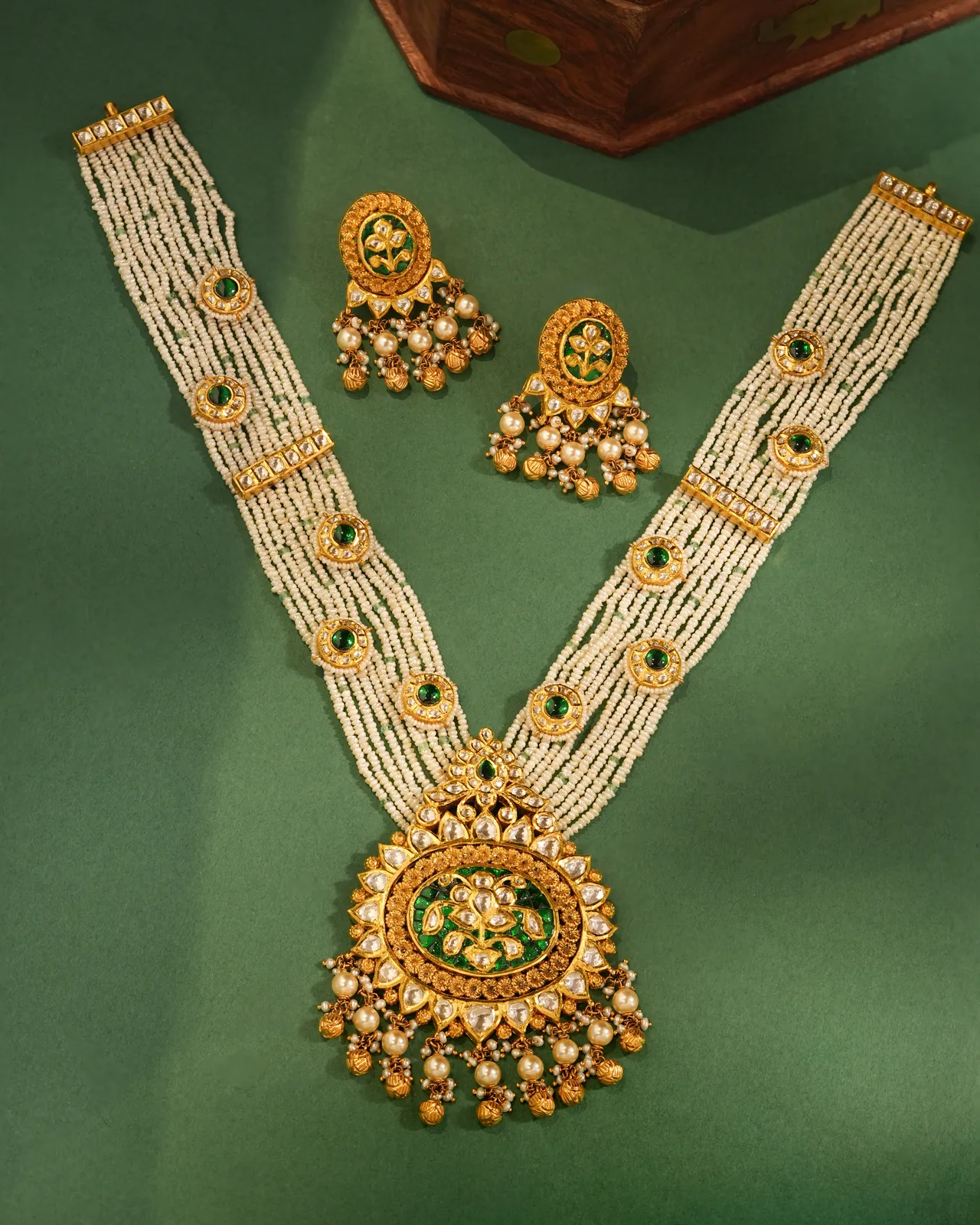
3. Polki Jewellery for a Heritage Bridal Look
Polki jewellery is another popular choice for brides seeking heritage-inspired jewellery.
Polki traditionally uses natural uncut diamonds, giving each piece a distinct appearance. Compared with highly faceted modern diamonds, Polki has a softer visual character that works especially well with traditional Indian bridal outfits.
A Polki necklace can become the centre of a Rajputi bridal jewellery look or can be paired with complementary earrings, bangles and rings.
Brides may also layer a Polki long necklace with a shorter choker or Aad when the proportions allow.
Pure Gold Jewellers' collections include Polki necklaces, earrings, rings, bangles and other wedding jewellery, making it possible to build a coordinated bridal look around this style.
4. Borla Jewellery and the Traditional Rajasthani Bridal Look
Borla jewellery is one of the most recognisable elements associated with traditional Rajasthani bridal dressing.
The Borla is worn on the forehead and is distinguished by its characteristic rounded form. It offers a very different appearance from many conventional maang tikka styles seen across other regions of India.
Within a traditional Rajasthani look, the Borla helps frame the bride's face and creates a strong connection with Rajasthan's regional bridal identity.
It can be coordinated with the Aad, Kundan necklace or earrings through similar gold tones, pearls or coloured stone detailing.
Brides looking for a highly traditional appearance may incorporate Borla jewellery into their overall styling even when the remaining jewellery has a slightly more contemporary interpretation.
The Borla works particularly effectively when the hairstyle allows the ornament to remain clearly visible.
5. Rajputi Bridal Jewellery and Its Royal Character
Rajputi bridal jewellery is often associated with statement proportions, heritage designs and jewellery that complements traditional Rajputi attire.
The Aad is particularly important within this aesthetic because its broad silhouette works naturally with elaborate bridal clothing.
However, a Rajputi-inspired bridal look does not have to depend on a single jewellery style.
It can combine:
- A statement Aad necklace
- Kundan or Polki jewellery
- Borla jewellery
- A traditional long Haar
- Heritage-inspired earrings
- Gold or antique-style bangles
- Statement rings
The aim is to maintain a relationship between the different jewellery pieces.
Rather than selecting every ornament independently, brides can begin with one statement piece and build the remaining look around its colours, craftsmanship and scale.
6. Traditional Long Haar for Layered Bridal Styling
A traditional long Haar gives brides an opportunity to create a layered jewellery look.
When an Aad or bridal choker sits close to the neck, the longer necklace creates vertical balance and fills the space below it.
This approach works especially well with bridal lehengas or traditional outfits featuring detailed embroidery across the bodice.
A bride wearing a heavily embellished Rajasthani Aad necklace may select a more refined long Haar so the two pieces complement rather than compete with one another.
Alternatively, a comparatively simple choker can be combined with a more elaborate long necklace.
Layering can make traditional Rajasthani jewellery appear grand while still keeping the overall bridal look structured.
7. Antique Jewellery for a Traditional Bridal Appearance
Antique jewellery is well suited to brides who prefer rich textures and an heirloom-inspired appearance.
Antique necklaces often feature deeper gold tones, detailed motifs and finishes that give the jewellery an old-world character.
This styling works particularly well alongside traditional Rajasthani bridal outfits.
A bride can choose an antique necklace as an alternative to Kundan or Polki or incorporate antique-inspired bangles and rings alongside another statement necklace.
For brides who want Rajasthani jewellery for bride that feels connected with heritage without making every piece identical, antique jewellery can provide an effective visual balance.
8. Bridal Earrings That Complement the Necklace
Earrings play an important role in connecting the jewellery around the bride's face with the statement necklace below.
A heavily detailed Aad or Kundan choker can be paired with earrings that have a slightly more controlled silhouette.
A simpler necklace gives the bride more flexibility to select larger or more decorative earrings.
For a cohesive Rajputi bridal jewellery look, earrings may repeat one or two design details from the main necklace, such as Polki stones, pearls, Kundan settings or a similar gold finish.
Perfect matching is not necessary. Jewellery can still look coordinated when the pieces share a common design language.
9. Bridal Bangles for a Complete Wedding Look
Bridal jewellery does not end at the neckline.
Bangles contribute significantly to the overall appearance because the bride's hands remain visible during important wedding ceremonies and photography.
Gold, Polki, diamond and antique-inspired bangles can all work within different bridal jewellery themes.
When the necklace is heavily traditional, bangles with related detailing can make the overall styling feel intentional.
A bride selecting traditional Rajasthani jewellery can coordinate her bangles according to the craftsmanship, gold tone or stones used in the main necklace.
Pure Gold Jewellers offers bridal and occasion-wear bangles that can be explored alongside necklaces, earrings and rings.
10. Bridal Rings as the Finishing Detail
A bridal ring is a comparatively smaller jewellery element, but it can still contribute to the overall wedding appearance.
Polki, antique, diamond and gold rings allow brides to carry the same jewellery aesthetic from the neckline to the hands.
For example, a bride wearing Polki jewellery can select a statement Polki ring, while an antique-inspired bridal look can be complemented by an antique gold ring.
Bridal rings are also versatile because many designs can continue to be worn for celebrations and family occasions after the wedding.
How to Choose Rajasthani Jewellery According to the Bridal Outfit
The bridal outfit should be considered before jewellery is finalised.
For a traditional Rajputi poshak
A Rajasthani Aad necklace, Borla jewellery and heritage-inspired earrings can create a strongly traditional appearance. A long Haar may be added when additional layering is required.
For a heavily embroidered lehenga
A structured Aad, Kundan choker or Polki necklace can become the primary statement piece. Other jewellery can then be kept comparatively balanced.
For a lighter bridal outfit
A detailed Kundan or Polki necklace can provide the main visual focus without requiring several heavy layers.
For a heritage-inspired saree
Antique jewellery, Kundan necklaces or a refined Aad can create a sophisticated traditional appearance.
The scale of the jewellery should always work with the outfit rather than simply following a trend.
Rajasthani Aad vs Kundan Bridal Jewellery: Which Should a Bride Choose?
The choice depends largely on the kind of bridal appearance being created.
A Rajasthani Aad necklace offers a particularly strong regional identity. Its broad silhouette immediately gives the neckline a traditional Rajasthani character.
Kundan bridal jewellery, on the other hand, provides greater variety in necklace shapes and layering possibilities.
A bride does not always have to choose between the two. Aad designs themselves can incorporate Kundan craftsmanship, allowing both influences to appear within the same bridal look.
Brides can therefore consider the outfit, desired neckline, level of detailing and other jewellery before making the final decision.
How to Create a Balanced Rajasthani Bridal Jewellery Look
A bride does not need every jewellery piece to be equally elaborate.
A more effective approach is to establish a visual hierarchy.
If the Aad is the hero piece, earrings and bangles can support it.
If Kundan bridal jewellery is the focus, the remaining pieces can repeat its stones and detailing.
If Borla jewellery is particularly elaborate, the jewellery around the face can be adjusted accordingly.
A coordinated bridal look often comes from repeating small elements rather than purchasing an identical set.
Gold tone, pearls, stone colours, motifs and craftsmanship can all connect different jewellery pieces.
Explore Rajasthani Bridal Jewellery at Pure Gold Jewellers
Pure Gold Jewellers brings together jewellery inspired by India's traditional craftsmanship and Rajasthan's rich jewellery heritage.
Its bridal collections include Rajasthani Aad necklaces, Kundan jewellery, Polki jewellery, antique jewellery, bridal necklaces, earrings, bangles, bracelets and rings.
The Rajasthani Aad collection is particularly relevant for brides and families searching for Rajasthani jewellery for bride or Rajputi bridal jewellery with a strong connection to regional design.
Pure Gold Jewellers has stores in Jodhpur, Rajasthan, and Zaveri Bazaar, Mumbai, where customers can explore bridal and heritage-inspired jewellery.
Borla jewellery can also be considered as a traditional styling element when creating a complete Rajasthani bridal appearance, depending on the bride's family traditions and chosen wedding look.
Find Your Traditional Bridal Jewellery at Pure Gold
Visit our showroom or book a video appointment.
Book AppointmentFrequently Asked Questions About Rajasthani Jewellery for Brides
What jewellery does a Rajasthani bride traditionally wear?
A Rajasthani bridal look may feature an Aad necklace, Kundan or Polki necklaces, Borla jewellery, earrings, bangles, rings and other ornaments depending on regional and family traditions.
What is the Rajasthani Aad necklace?
A Rajasthani Aad necklace is a broad traditional necklace that sits prominently around the neckline. It is strongly associated with Rajasthani and Rajputi bridal styling and may feature Kundan, Polki, pearls and detailed gold work.
What is Borla jewellery?
Borla jewellery refers to the distinctive rounded forehead ornament associated with Rajasthani dressing. It is commonly styled as part of a traditional Rajasthani or Rajputi bridal appearance.
Is Kundan jewellery good for a Rajasthani bride?
Yes. Kundan bridal jewellery works particularly well with Rajasthani-inspired wedding outfits. Rajasthan, especially Jaipur, is strongly associated with Kundan and Meenakari jewellery traditions.
What is Rajputi bridal jewellery?
Rajputi bridal jewellery refers to jewellery styling associated with Rajputi wedding traditions and heritage aesthetics. Aad necklaces, traditional necklaces, forehead jewellery, earrings and bangles can all contribute to this bridal look.
Can brides combine Aad and Polki jewellery?
Yes. An Aad can be layered with a Polki Haar or coordinated with Polki earrings and other jewellery when the designs, colours and proportions complement one another.
Where can brides explore Rajasthani Aad jewellery?
Pure Gold Jewellers offers a dedicated Rajasthani Aad jewellery collection and bridal jewellery through its stores in Jodhpur and Mumbai.
Traditional Rajasthani Jewellery That Goes Beyond the Wedding Day
The appeal of Rajasthani jewellery for bride lies in the combination of craftsmanship, cultural character and personal meaning.
A statement Aad may become the centre of the wedding look. Kundan and Polki can add intricate detailing, while Borla jewellery can strengthen the traditional Rajasthani identity of the styling. Earrings, bangles and rings then complete the overall composition.
For brides exploring traditional Rajasthani jewellery, the best approach is not necessarily to wear every possible ornament. Instead, each piece should contribute to a bridal look that feels balanced, meaningful and personal.
Pure Gold Jewellers' collections of Rajasthani Aad, Kundan, Polki, antique and bridal jewellery allow brides and families to explore heritage-inspired designs in Jodhpur and Mumbai and select jewellery created for one of life's most memorable celebrations.